
News Center
News center

U.S. Department of Energy to Implement New Energy Efficiency Testing Standards for Vacuum Pumps Starting in August
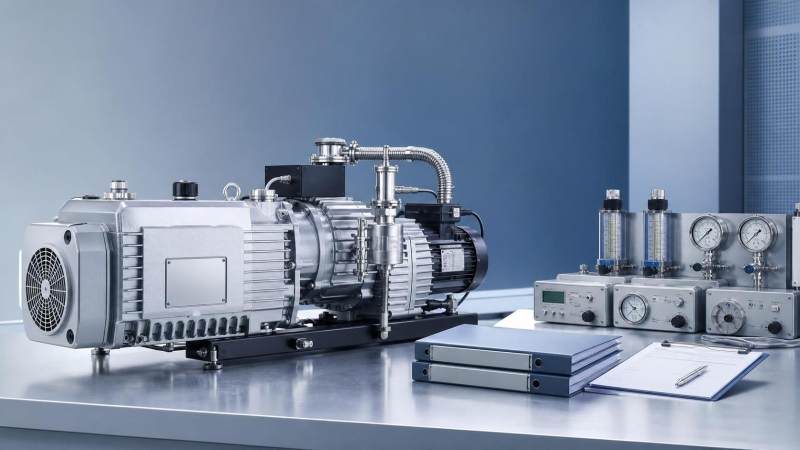
Starting August 1, 2026, the U.S. Department of Energy will implement new energy-efficiency testing procedure requirements for dry and oil-sealed vacuum pumps imported into the United States. The core of this change is not limited to switching the testing standard from the previous method to ASTM E3297-26; the documentation requirements for third-party verification and accompanying compliance declarations will also become stricter. For vacuum pump exporters targeting the North American market, testing and certification service providers, and business functions responsible for customs clearance, procurement, and channel access, this is an implemented compliance change that directly affects type testing arrangements, document preparation, and shipment schedules.
Compliance Requirements Already Clarified Under the New Rules
According to the information provided, the U.S. Department of Energy (DOE) will officially implement the Final Rule on Energy Conservation Standards and Test Procedures for Vacuum Pumps (10 CFR Part 431, Subpart X) on August 1, 2026. The rule requires all dry and oil-sealed vacuum pumps imported into the United States to undergo third-party energy-efficiency verification in accordance with ASTM E3297-26.
At the same time, the new rules expressly prohibit the continued use of the previous IEC 60034-30 testing method. In addition to the adjustment to the testing method, imported products must also be accompanied by an energy-efficiency compliance declaration issued by a DOE-recognized laboratory.
The information provided also indicates that this change will directly affect type testing arrangements, customs clearance document preparation, and the pace of North American channel access for Chinese vacuum pump exporters.
The Impact Extends Beyond the Testing Process
Exporters Will First Face Pressure in Coordinating Testing and Shipment
From an industry perspective, exporters directly serving the U.S. market will be affected first, because the rule changes simultaneously address three requirements: the testing method, the verification pathway, and accompanying shipment documentation. The business impact will mainly be reflected in product testing arrangements, whether existing test results can still be used for the U.S. market, and whether compliance documentation is complete before shipment. Of greater concern at present is that, when handling U.S. orders, companies need to simultaneously verify the applicable product categories, testing basis, and preparation of the accompanying declaration, in order to avoid inconsistencies between technical documents and customs clearance materials.
Channel and Procurement Functions Need to Recheck Access Conditions
For North American channel partners, import purchasers, and teams responsible for supplier access, the direct impact of this change is that the access threshold has shifted to the new testing standard and specified supporting documents. Based on the analysis, energy-efficiency verification methods and compliance declarations are likely to become basic verification items in subsequent procurement confirmation, supplier audits, incoming acceptance, and document reviews before products are listed through channels. For products that still rely on previous testing documentation, the relevant parties need to remain vigilant and focus on whether the documents meet the requirements of the current rules.
Testing, Certification, and Supply Chain Services Will Also Face Pressure
Testing service providers, certification partners, and supply chain service companies responsible for customs clearance document processing that support exports will also be affected indirectly. This is because the new rules have incorporated compliance declarations issued by DOE-recognized laboratories into the accompanying shipment requirements, meaning that the connection between test reports and trade documents will become closer. Relevant service providers need to pay greater attention to the timing of document issuance, the accuracy of data matching, and the handover efficiency between different business stages, so as not to affect established delivery arrangements.
Which Changes Require Greater Attention in Current Practice?
First Confirm the Testing Basis for Models Sold in the United States
Based on the analysis, companies first need to review the models of dry and oil-sealed vacuum pumps intended for the U.S. market and confirm whether their testing has been switched to ASTM E3297-26. Since the new rules expressly prohibit the use of the previous IEC 60034-30 testing method, whether existing testing documentation can continue to be used for U.S. business should no longer be assessed based on past practice; it should be re-evaluated against the requirements of the new rules.
Review the Accompanying Shipment Documentation Chain
For export business teams and documentation teams, the current priority is to verify whether the accompanying shipment materials are complete. The information provided clearly states that imported products must be accompanied by an energy-efficiency compliance declaration issued by a DOE-recognized laboratory. Therefore, companies need to review testing, document preparation, trade document matching, and shipment scheduling within the same process to avoid situations in which products are ready for shipment but the documentation is incomplete.
Reassess North American Order Scheduling and Delivery Timelines
This rule change will directly affect type testing arrangements and the pace of channel access. Therefore, when handling U.S.-related orders, companies need to pay greater attention to coordination among testing schedules, document return times, and customer acceptance requirements. In particular, for ongoing projects in transit, orders pending shipment, or business about to enter the procurement confirmation stage, whether the delivery cycle needs to be adjusted is worth communicating and confirming in advance.
Continue Monitoring Implementation Guidance and Market Documentation Changes
Because the input information does not provide more detailed implementation rules, it is currently inappropriate to regard all practical operating results as completely clear. A more prudent approach is to continue monitoring subsequent official statements, certification implementation guidance, customer tender documents, and procurement terms for further clarification, and to update internal compliance reviews and external delivery documentation accordingly.
This Is More Like an Implemented Enforcement Signal
From the editor's perspective, this news is more appropriately understood as a signal that a rule has already taken effect, rather than as a simple policy preview. This is because the information provided not only specifies the effective date, but also clearly identifies the applicable products, the testing standard replacing the previous method, and the accompanying shipment documentation requirements.
On the other hand, this does not mean that all implementation details are already completely clear. Based on the analysis, the industry still needs to continue observing certification implementation guidance, how customers reflect the requirements in procurement and tender documents, and the feedback companies encounter during actual customs declaration, market access, and delivery processes. For relevant practitioners, the current priority is not to broaden the interpretation of the impact, but to implement the known rule changes in testing, documentation, and delivery processes.
How to Understand the Practical Significance for the Industry
Overall, the new vacuum pump energy-efficiency testing standard implemented by the U.S. Department of Energy from August 1, 2026, has moved U.S. market compliance requirements for relevant products from the previous testing method toward a new verification and documentation system. Its practical significance for the industry is mainly reflected in more specific export compliance thresholds, earlier documentation requirements, and greater reliance on standardized supporting documents in channel access reviews.
The more appropriate way to understand this news at present is to regard it as a trade and compliance change that has entered the implementation stage. Its impact does not stop at laboratory testing itself; it will gradually extend through export, procurement, customs clearance, and channel access. The subsequent level of enforcement and market feedback will still need to be continuously observed in light of further regulatory guidance and actual industry conditions.
Basis of This Article and Directions for Further Verification
This article was generated based on the news title, event date, and event summary provided by the user. The confirmed facts used are limited to the rule name, effective date, applicable product scope, changes to the testing standard, third-party verification requirement, accompanying compliance declaration requirement, and the direct impact on business activities related to Chinese vacuum pump exports mentioned in the input.
For events of this type, subsequent verification would normally also need to combine official announcements, releases from regulatory authorities, information from customs or trade authorities, industry association information, documents issued by standards organizations, and reports from authoritative media. Since the input does not provide a specific official source link, the relevant links and further details still require subsequent confirmation.
Items that remain worth monitoring include whether the policy details will be further clarified, whether certification implementation guidance will be refined, whether tender and procurement documents will be updated accordingly, how industry feedback will change, and how companies adapt during actual implementation.